

Why Centralized Power Always Fails—and the Path to a Civilized Society
An interview on media manipulation, central banking, vaccine policy, AI surveillance, and the moral case for radical decentralization of power.


The New York Times’ Narrow Criticisms of Trump’s Iran War Reveal Its Propaganda Function
A New York Times editorial criticizes Trump not for waging an illegal war of aggression but for making “strategic” errors in its execution.

The US-Israeli War on Iran Is Illegal and Immoral
Americans choosing to support Trump’s criminal aggression have allowed themselves to be deceived by routine war propaganda.

The US-Israeli Regime Change Operation in Iran
While Israel fuels violent protests in Iran, the US is citing the Iranian government’s deadly crackdown as a pretext for a military attack aimed at regime change.

Lessons Unlearned from Israel’s Bombing of Iraq’s Osirak Reactor
Israel and its superpower benefactor refuse to learn the lessons from their past acts of aggression.

The Health Ranger’s Denouncement of MAHA’s Alliance with Zionism
Health freedom advocates are faced with a choice this election of whether they believe that all children’s lives matter, or not.

Who Will Tell the Truth About the So-Called ‘Free Press’?
The US corporate media dangerously accuse alternative sources of propagating “fake news” to maintain their own dominance as purveyors of misinformation.

The ‘Forgotten’ US Shootdown of Iranian Airliner Flight 655
On the rare occasions the US mainstream media refer to the US shootdown of an Iranian airliner in 1988, they sustain the myth it was simply a “mistake”.

The Persistent Propaganda Claim of a Stolen 2009 Iran Election
The claim that Ahmadinejad won Iran’s 2009 presidential by “fraud” persists despite all evidence suggesting that he was legitimately reelected.

The U.S.’s ‘Coercive Diplomacy’ with Iran and Lessons Unlearned from Iraq
The January/February issue of Foreign Affairs features an article titled “Getting to Yes With Iran: The Challenges of Coercive Diplomacy” by Robert Jervis.
Preparing Minds for an Israeli Attack on Iran
The mainstream media are fulfilling their usual function by manufacturing consent for an attack on Iran.
Turning Back From the Point of No Return
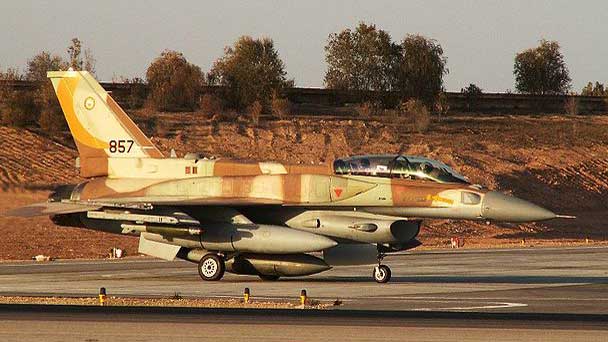
Any attack on Iran would have dire consequences and enormously destabilize the Middle East.
U.S. Foreign Policy for Dummies
Look. It’s not that difficult, okay? Point one: Politicians don’t often say what they mean. Point two: Politicians don’t often mean what they say. As corollary of the first two points, point three: Policy is rightly judged by deeds, not words.
Bomb, Bomb Iran: Lessons From Iraq Unlearned
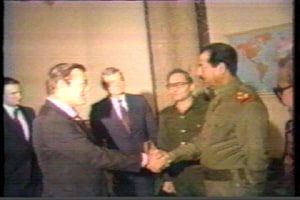
It was Israel’s bombing of Iraq’s Osirak reactor in 1981 that prompted Saddam Hussein to pursue a nuclear weapons capability.

The Case of the Mystery Voters in Iran’s Election
One claim made by the opposition in Iran to the re-election of President Mahmoud Ahmadinejad in an attempt to paint the election as fraudulent is that there was an unusually high turnout, in some cases more than 100 percent, in many places across the country....
Has the U.S. Played a Role in Fomenting Unrest During Iran’s Election?
Evidence indicates that the “green movement” in Iran is another “color revolution” orchestrated by the US government.
New York Times Misleads on Taliban Role in Opium Trade
The US mainstream media blame the Taliban for Afghanistan’s opium trade, thus whitewashing the US government’s role.

Threats of Israeli War Against Iran Escalate
Der Spiegel reports that "The Israeli government no longer believes that sanctions can prevent Iran from building nuclear weapons. A broad consensus in favor of a military strike against Tehran's nuclear facilities -- without the Americans, if necessary -- is...
The Framework for Debate on Iran
As with Iraq, the issue is not about weapons of mass destruction or failed obligations under existing treaties, but about ensuring U.S. credibility in its pursuit of global hegemony.
