Iran Never Threatened to ‘Wipe Israel Off the Map’
The “wipe Israel off the map” quote is a deliberate mistranslation—one the media has used for decades to manufacture hostility toward Iran.


Public Vaccine Policy Is Designed to Achieve Compliance, Not Informed Consent
Suppressed science, corrupted institutions, and weaponized medical licensing make genuine informed consent to vaccination impossible in America. Part 2 of my conversation with American Health Revolution.


The ICJ Did Rule That Israel Has Plausibly Committed Genocide in Gaza
Israel’s defenders—citing a former ICJ president—claim the Court only found Palestinians have a “plausible right” to protection, not a plausible genocide. But that argument is self-refuting.


Why Centralized Power Always Fails—and the Path to a Civilized Society
An interview on media manipulation, central banking, vaccine policy, AI surveillance, and the moral case for radical decentralization of power.


Interview: The Systematic Violation of the Right to Informed Consent
Through coersion, deception, and censorship, individuals’ right to make informed choices about vaccinations is violated.


CHD.TV Features My Paper Rebutting Danish MMR-Autism Study
Dr. Brian Hooker discusses two peer-reviewed papers we collaborated on challenging the claim that “vaccines do not cause autism”.

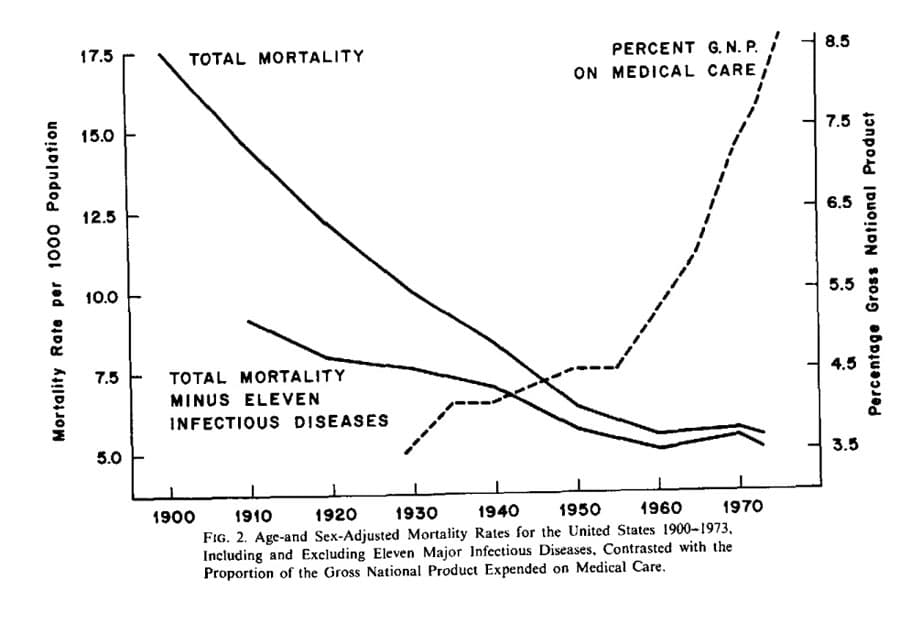
The Questionable Contribution of Polio Vaccine to the Decline in Paralytic Disease
The data show that vaccines couldn’t have caused most of the decline in infectious disease mortality in the 20th century. But what about polio?

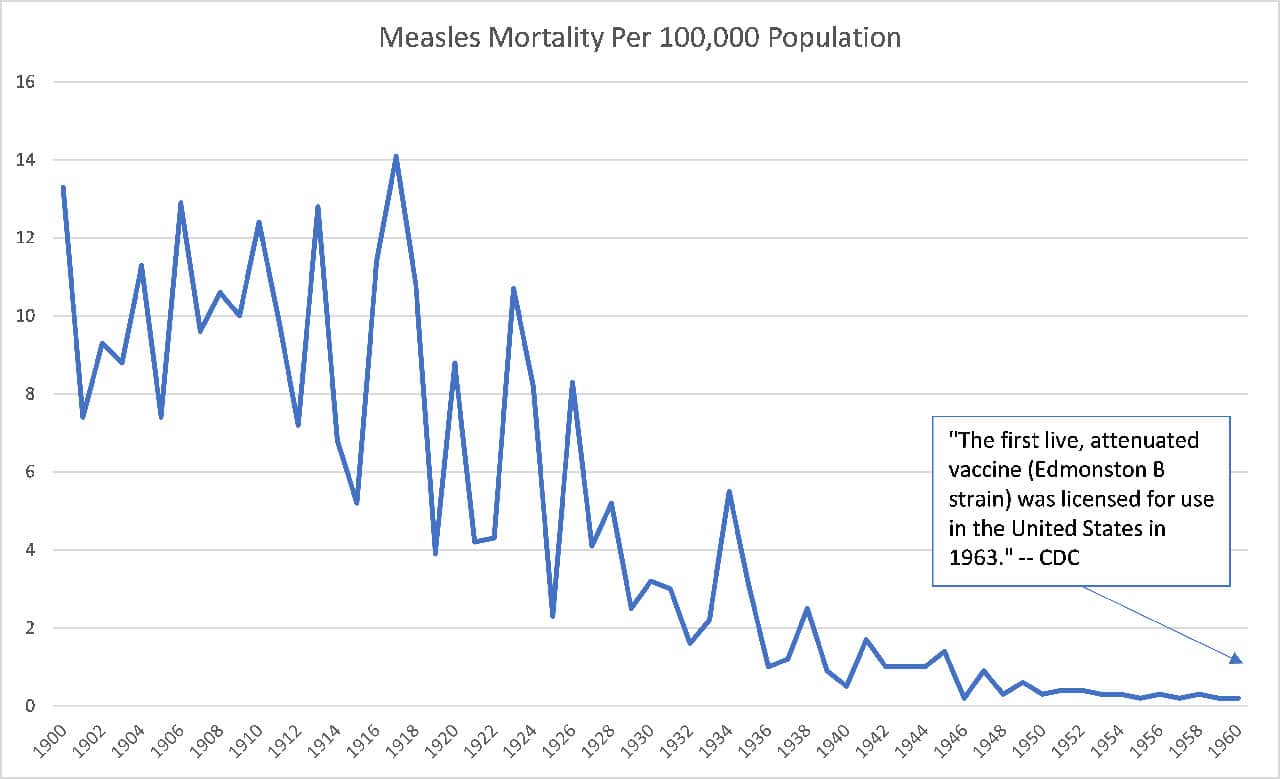
New York Times Deceives about the Cause of the Decline in Measles Mortality in the 20th Century
The decline in measles deaths in the 20th century mostly occurred before the vaccine—but the New York Times wants you to think otherwise.

How Studies Are Designed to Find No Association Between Vaccines and Autism
On CHD.TV with host Dr. Brian Hooker, I explain why studies have not disproven the vaccine-autism hypothesis.


Addressing the Gaza Genocide Denialism
Most have given up trying, but some people are still trying to defend Israel’s genocide in Gaza—by denying it’s happened.


The Religious Extremists Waging War on Iran
We hear a lot about Islamic extremism. Right now, Jewish and Christian extremism are the bigger problem.
The New York Times’ Narrow Criticisms of Trump’s Iran War Reveal Its Propaganda Function
A New York Times editorial criticizes Trump not for waging an illegal war of aggression but for making “strategic” errors in its execution.


How Medical Licensing Serves Big Pharma at the Expense of Public Health
The purpose of medical licensing is not to protect consumers but the financial interests of privileged trade organizations allied with Big Pharma.


The Great MAHA™ Glyphosate Betrayal
MAHA leaders bought into it, but Trump’s Executive Order to promote domestic production of glyphosate has nothing to do with “national security”.


The US-Israeli War on Iran Is Illegal and Immoral
Americans choosing to support Trump’s criminal aggression have allowed themselves to be deceived by routine war propaganda.

Interview: Medical Licensing Should Be Abolished
I was on the Robert Scott Bell Show to discuss the history of medical licensing — and why it should be abolished.
The False Pretext of Trump’s Executive Order on Glyphosate
Donald Trump’s glyphosate EO claims to protect the food supply for “national security” but really protects Bayer from lawsuits and his tariffs.


Think No Plane Hit the Pentagon on 9/11? Watch This.
If the claim that no plane hit the Pentagon wasn’t deliberately planted to discredit the 9/11 truth movement, it might as well have been.

Why Medical Licensing Should Be Abolished
Medical licensing is not designed to protect health care consumers but a government-enforced medical cartel.


CDC Tasked Danish Scientist to ‘get rid of’ Vaccine Safety Signal
In an illuminating interview, Danish scientist Anders Hviid reveals the motive for his team’s July 2025 study purporting to show the safety of aluminum-containing vaccines.


How Medical ‘Experts’ Deceive the Public about Vaccine Safety
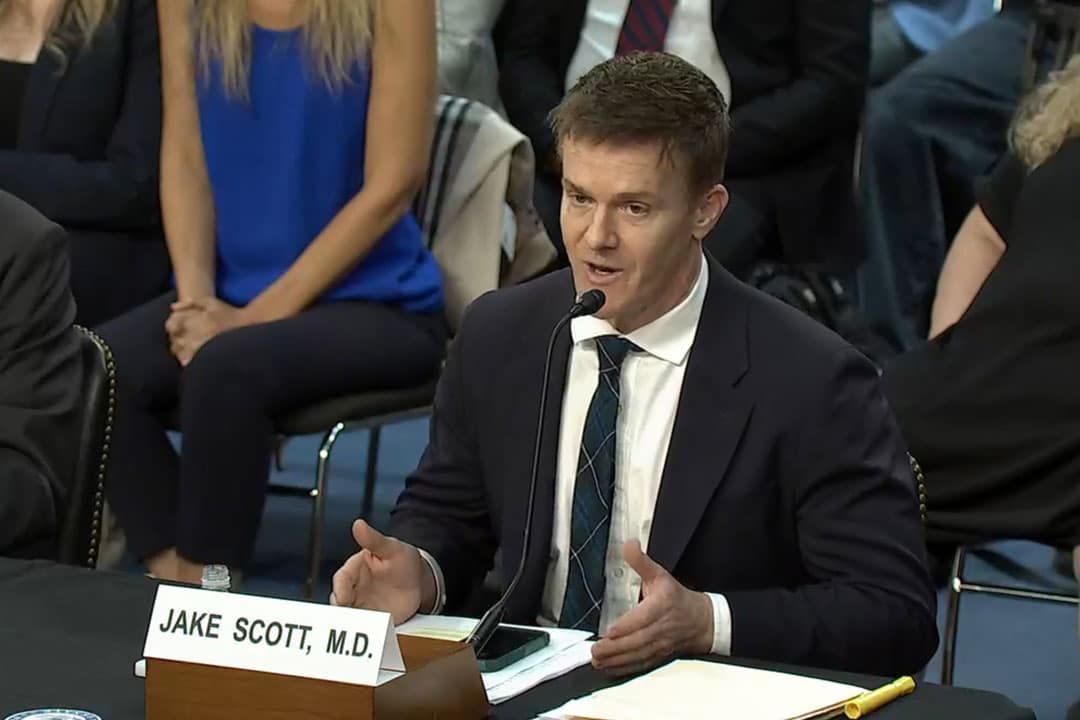
Dr. Jake Scott’s claim that numerous studies have compared the health of vaccinated and unvaccinated children is a brazen deception.

The US-Israeli Regime Change Operation in Iran
While Israel fuels violent protests in Iran, the US is citing the Iranian government’s deadly crackdown as a pretext for a military attack aimed at regime change.

Danish Study Claiming Safety of Aluminum in Vaccines Slammed in New Peer-Reviewed Paper
Andersson et al. claimed to show aluminum-adjuvanted vaccines do not cause chronic illnesses. Crépeaux et al. reveal the problems with that study.
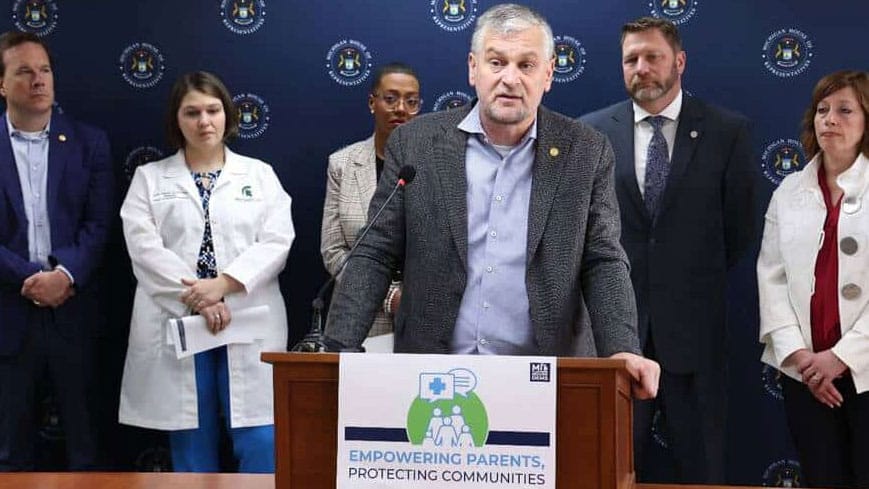
Michigan Democrats Aim to Deny Parents Vaccine Exemptions
Bills proposed by Michigan House Democrats aim to reverse the state law’s recognition of parents’ right to informed consent to childhood vaccines.

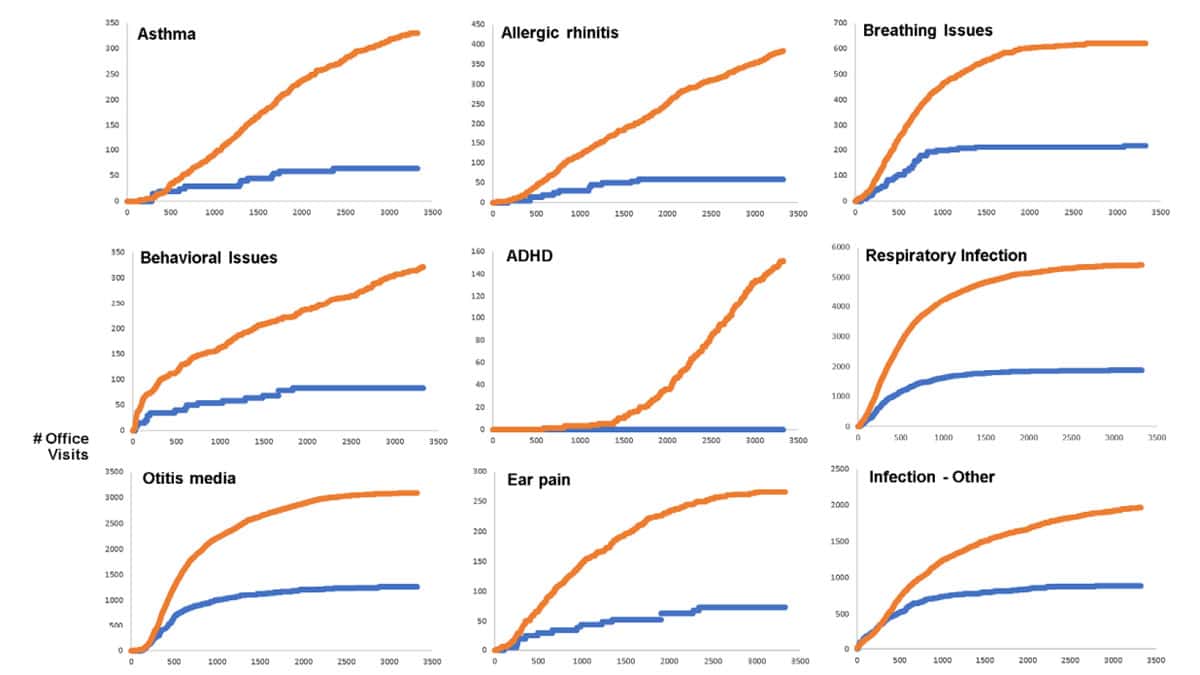
Scientific Data Show Unvaccinated Children Are Healthier
The arguments used to dismiss scientific evidence that unvaccinated children are healthier reveal the bias and hypocrisy of public policy advocates.
Why Zionism Is Incompatible with Libertarianism
In each of my debates on the Israel-Palestine conflict, I have emphasized Zionism’s incompatibility with libertarian principles.

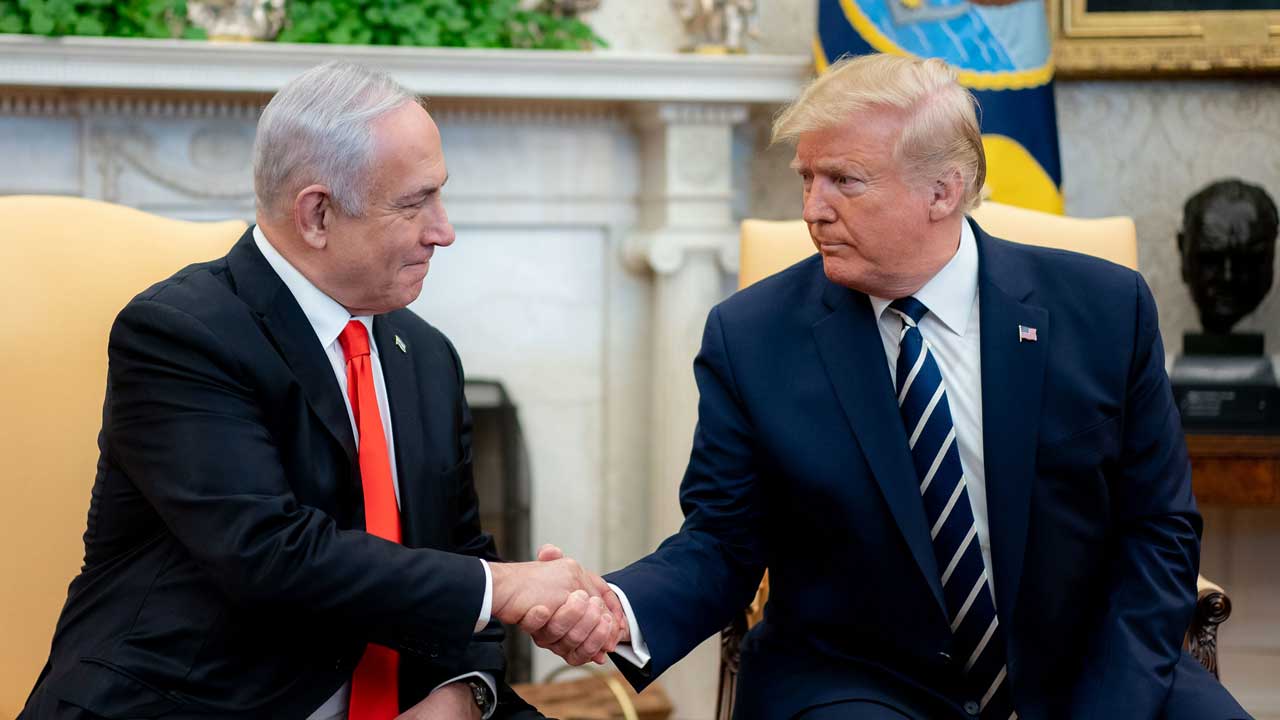
Should Trump Be Celebrated for the Gaza Ceasefire?
The view that Trump deserves praise for the Gaza ceasefire agreement willfully overlooks his participatory role in Israel’s genocide.


Why You Should Watch Tucker Carlson’s ‘The 9/11 Files’
Tucker Carlson’s ‘The 9/11 Files’ only scratches the surface but does a great job of exposing the official legend.


WTC 7, Israeli Espionage, and 9/11 ‘Conspiracy Theories’
Here’s my take on episode four of Tucker Carlson’s investigative series “The 9/11 Files”, covering WTC 7 and evidence of foreknowledge.


How the US Government Could Have Prevented the 9/11 Attacks
Tucker Carlson’s “The 9/11 Files” leaves out crucial details about how the attacks could have been prevented.


David Chandler on WTC 7 Free Fall and NIST’s Scientific Fraud
At the Toronto Hearings in 2011, David Chandler discussed the free fall collapse of WTC 7 and cited my work exposing NIST’s scientific fraud.


How the CIA Deliberately Allowed Two 9/11 Hijackers Into the US
Tucker Carlson’s new investigative series revisits how the CIA tracked two of the 9/11 hijackers into the US without notifying the FBI.


FDA’s Allowable Level of Aluminum in Vaccines Based on Decades-Old Tests — but the Tests Had Nothing to Do With Safety
A new review of studies underpinning the FDA’s limit on the allowable level of aluminum adjuvant per vaccine dose reveals the level, set decades ago, was determined on the basis of how well the adjuvant generated an immune response — not on whether the aluminum posed a health risk.


The Playbook Used to ‘Disprove’ Vaccines Cause Autism
The New York Times aims to show you how ‘anti-vaccine’ misinformation works. Instead, it provides another helpful case study in pro-Pharma propaganda.


CDC Sued Over Absence of Childhood Vaccine Schedule Safety Data
The CDC is being sued for failing to consider the health effects of its childhood vaccine recommendations and violating the right to informed consent.
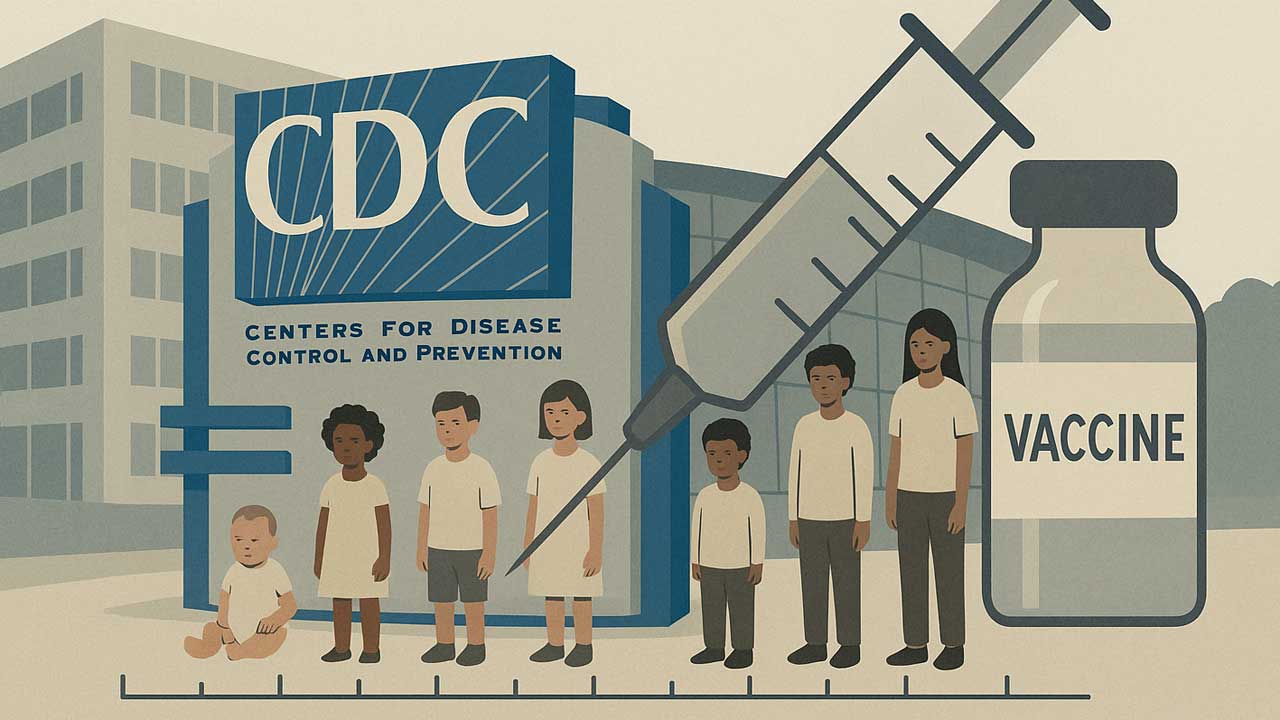
How the New York Times Lies about HepB Vaccine Safety
The New York Times claims the HepB vaccine routinely given to newborn babies underwent placebo-controlled trials. But that’s a lie.

Israel Advances US-Backed Plan to Ethnically Cleanse Gaza
Israel is proceeding with its US-backed plan to take over the Gaza Strip, forcing Palestinians to choose between ethnic cleansing or genocide.
HHS Sec. Kennedy Calls for Retraction of Bogus Study on Aluminum in Vaccines
The Danish study being touted by the media as proving aluminum-adjuvanted vaccines cause no harm shows evidence of harm.
How the Danish Study on Aluminum in Vaccines Was Designed to Find No Harm
A new Danish study claims aluminum-containing vaccines are safe, but like Hviid’s 2019 MMR-autism study, it was designed to find no health harms.
Is FDA Approval of Spikevax for Young Children a GOOD Thing?
Differing interpretations within the health freedom movement about “MAHA” developments require open-minded examination.
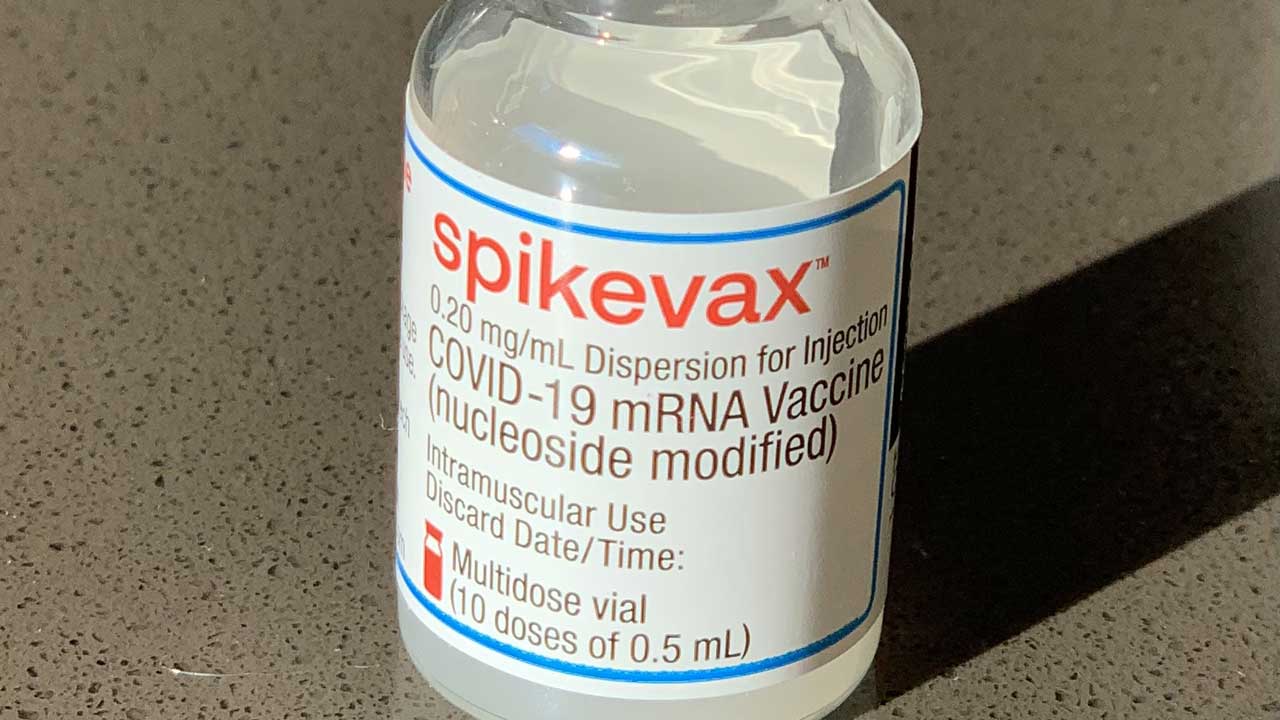
FDA Approves Moderna ‘Spikevax’ COVID-19 Vaccine for Young Children
The FDA under HHS Secretary RFK Jr has now approved Moderna’s mRNA COVID‑19 vaccine for children aged six months through eleven years.

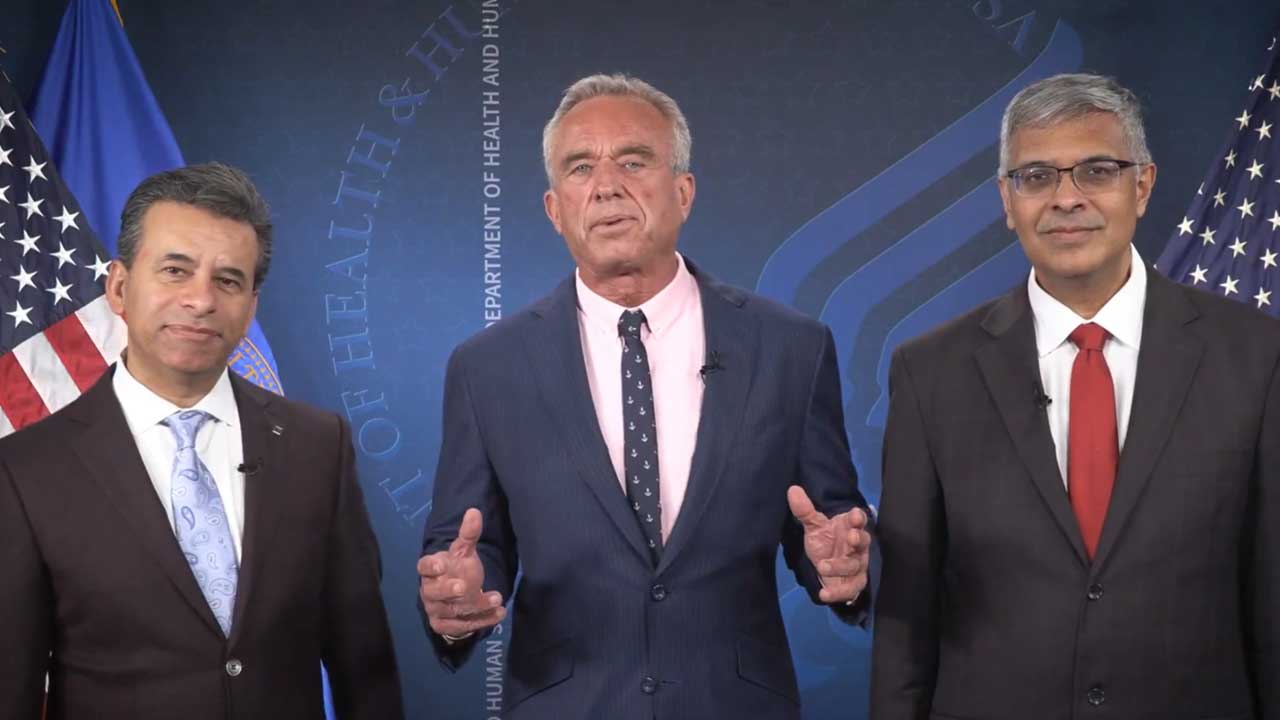
Why RFK Jr’s Wearables Push Is Raising Alarm Among Health Freedom and Privacy Advocates
HHS Secretary RFK Jr.’s call for “every American” to wear biometric trackers reveals how MAHA™ is misdirecting the health freedom movement.
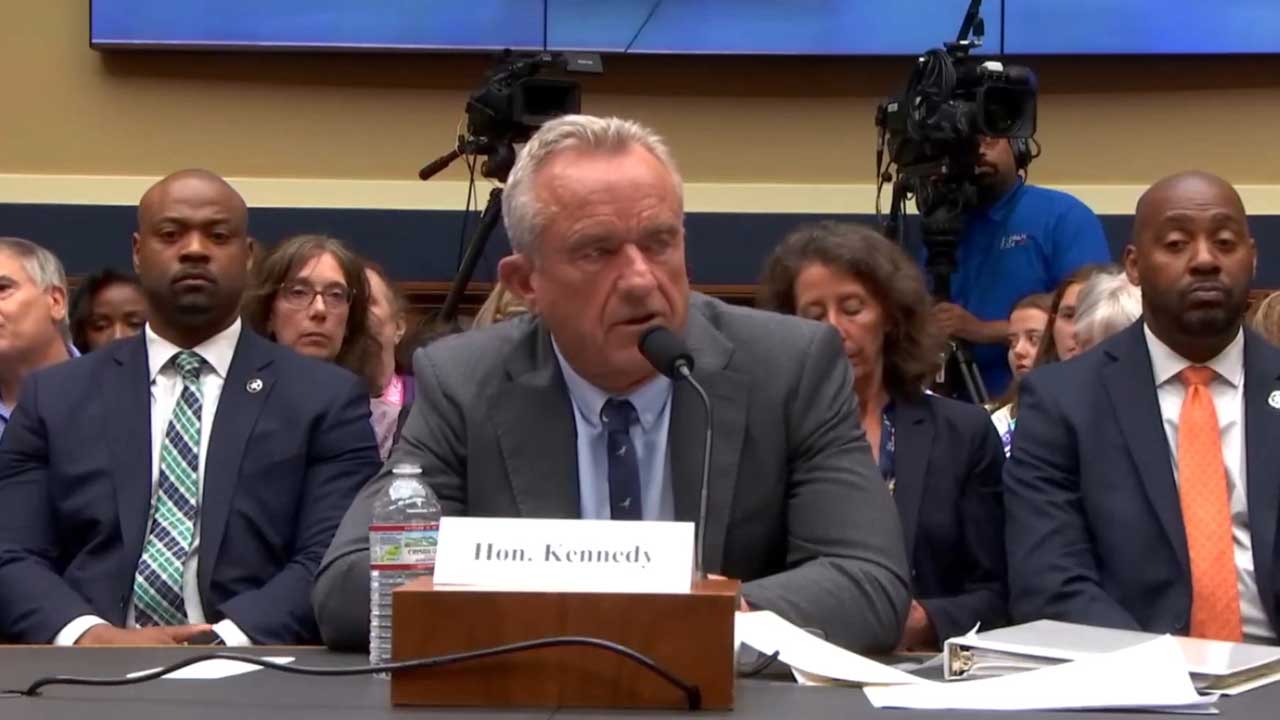

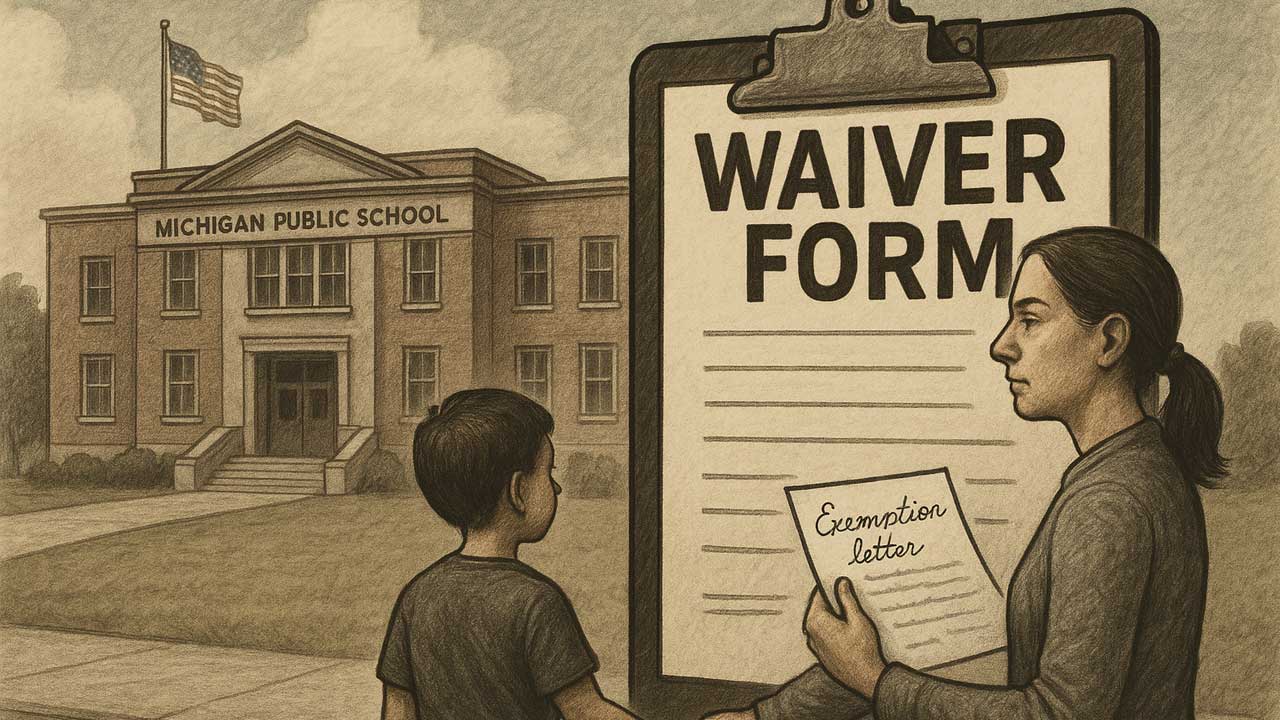
How Michigan Schools Unlawfully Deny Enrollment of Unvaccinated Children
It’s time for parents in Michigan to stand up against the bullying, assert our rights, and set an example for other states in the union.

Lessons Unlearned from Israel’s Bombing of Iraq’s Osirak Reactor
Israel and its superpower benefactor refuse to learn the lessons from their past acts of aggression.


The Deception of the FDA’s New COVID-19 Vaccine Guidance
New FDA guidelines for COVID-19 vaccines are being hailed as “evidence-based” policymaking—despite relieving Big Pharma of that burden.

Debunking the ‘Settled Science’ on Vaccines and Autism
The CDC claims that studies have proven “vaccines do not cause autism.” Here’s why that’s not true.
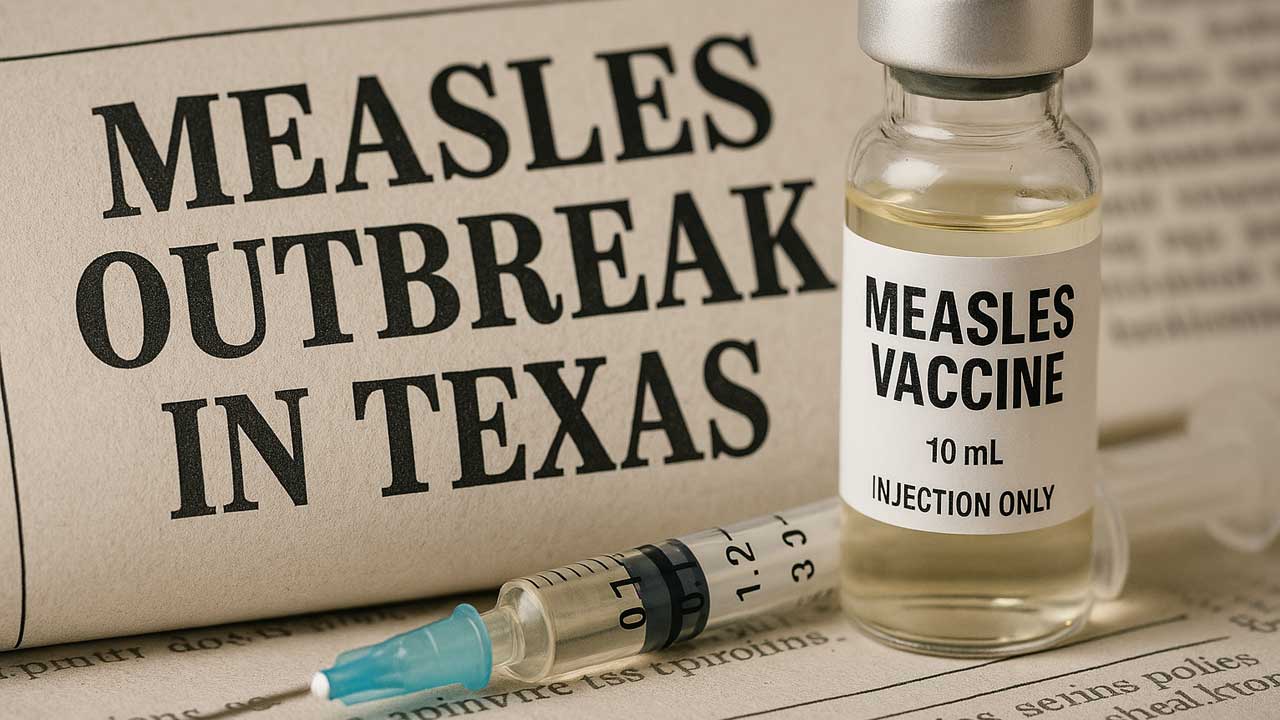
Why Do the Mainstream Media Insist on Lying about Measles?
The fatality rate of measles is exaggerated by an order of magnitude, and vitamin A treatment is in fact evidence based.
How Trump Approved the Resumption of Israel’s Gaza Genocide
After violating its ceasefire agreement with Hamas, Israel has resumed its genocide in Gaza with encouragement from US President Donald Trump.


Interview: Why Economic Growth Comes from Saving, Not Spending
Keith Knight of The Libertarian Institute and I debunk Paul Krugman’s argument that government spending is the cure for economic slumps.


Meta, Sued for Censorship, Announces End to Faux ‘Fact Checking’
Meta’s announcement came a day after a petition to the Supreme Court was filed against Facebook for censoring truth on behalf of the government.